M:S3:23 4
Edit position
Edit position

Last set 5 days, 23 hours ago. Manual moves override automatic placement until the next shelfie/spine match.

Transcendence : how humans evolved through fire, language, beauty and time
Diagnose this book
Open in Vernon Browser

Transcendence : how humans evolved through fire, language, beauty and time

by Gaia Vince

Drawing on genetics, archaeology, and neuroscience, this book explores human evolution, arguing that collective culture is our defining trait. It examines how fire, language, beauty, and time are transforming humanity into a cooperative superorganism.

Accession 15405 ISBN 9780241281116 Publisher Allen Lane
Book Images
Reference and live side by side Hover to see live images

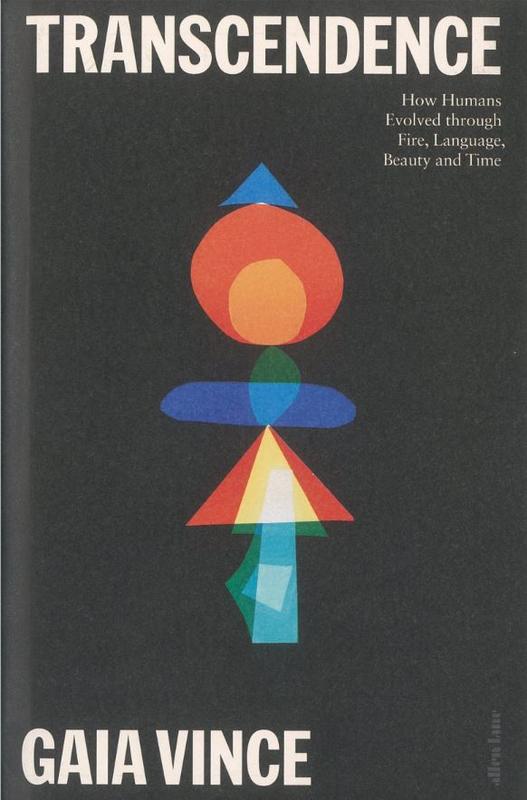
Reference
Transcendence : how humans evolved through fire, language, beauty and time spine
Transcendence : how humans evolved through fire, language, beauty and time cover
Live
Transcendence : how humans evolved through fire, language, beauty and time live spine
No live
Transcendence : how humans evolved through fire, language, beauty and time spine Transcendence : how humans evolved through fire, language, beauty and time live spine
Transcendence : how humans evolved through fire, language, beauty and time cover
No live
TAGS
Curated Derived
Art Astronomy Beauty Communication Culture Education Entertainment Human Evolution Life Sciences Linguistics Philosophy Psychology Science Social Sciences Time Writing
CONNECTIONS
No connections
State
on_shelf
True
position_updated_at
2026-06-04 14:48
orientation
vertical
Details

Physical

binding_type
Hard Back
dimensions
none captured
spine_text
none captured

Metadata

Book form
LOCATION HISTORY
M:S3:23 4 Current vertical
5 days, 23 hours ago
1 week, 5 days ago
1 week, 5 days ago
3 weeks, 4 days ago
Book Location
Updated 5 days, 23 hours ago
Vernon snapshot
View live

Frozen copy of Vernon's record from the last sync. Fields tagged flow back into the Pulse record.

Last synced 2026-05-21 01:10 (2 weeks, 6 days ago)

Identity

name→ title
Transcendence : how humans evolved through fire, language, beauty and time
vernon_id
24285
accession_no→ accession_number
15405
vernon_slug
transcendence-how-humans-evolved-through-fire-language-beauty-and-time-gaia-vince

Drives Pulse state

curr_loc_status→ on_shelf
On Shelf
location_name
Zone S3/Level 2 (Mezzanine)/Phrontisterion/MONA
location_reason
On Shelf
isbn_issn→ isbn (when valid)
9780241281116

Descriptive

production_date
2019
object_type
Books/Document genres/Information forms/Visual and Verbal Communication
object_status
Accessioned
brief_description
In Transcendence, scientist and anthrojournalist Gaia Vince argues that changes in our culture, not our brains, are responsible for the overwhelming sophistication of our civilization. Vince explores four factors elemental to our species' success: fire, language, art, and time.

Subjects & people

authors→ author (initial fill only)
Gaia Vince
tags→ tags
Science, Psychology, Life sciences, Philosophy, Social sciences, Civilisation, Sociology, Social history, Astronomy, Physical sciences, Language and languages, Communication, Time, Geodetic astronomy, Spherical astronomy, Culture, Evolution (Biology), Biology, Reading, Language arts, Human evolution, Aesthetics, Chemistry, Beauty, Evolutionary psychology, Storytelling, Oral interpretation, Oral reading, Fire, Social evolution
subject_people
subject_objects

Cover image

vernon_cover_image_id→ cover_image
27504

Raw Vernon JSON

click to inspect

The source payload behind the snapshot above.

Use ⌘F to search once expanded.
{7 keys}
"slug": "transcendence-how-humans-evolved-through-fire-language-beauty-and-time-gaia-vince"
"opacObjectId": "24285"
"opacCollection": {1 keys}
"opacCollectionId": "1"
"imagesCollection": {2 keys}
"images": [1 items]
"[0]": {5 keys}
"imageId": "27504"
"cssColors": [4 items]
"[0]": {9 keys}
"hex": "708090"
"hue": 210
"rank": 1
"presence": 82.94
"colorName": "slategray"
"lightness": 50
"colorGroup": "gray"
"saturation": 13
"formattedColorName": "slate gray"
"[1]": {9 keys}
"hex": "e9967a"
"hue": 15
"rank": 2
"presence": 11.75
"colorName": "darksalmon"
"lightness": 70
"colorGroup": "red"
"saturation": 72
"formattedColorName": "dark salmon"
"[2]": {9 keys}
"hex": "4682b4"
"hue": 207
"rank": 3
"presence": 2.09
"colorName": "steelblue"
"lightness": 49
"colorGroup": "blue"
"saturation": 44
"formattedColorName": "steel blue"
"[3]": {9 keys}
"hex": "808080"
"hue": 0
"rank": 4
"presence": 1.52
"colorName": "gray"
"lightness": 50
"colorGroup": "gray"
"saturation": 0
"formattedColorName": "gray"
"rawColors": [7 items]
"[0]": {6 keys}
"hex": "3d3e3d"
"hue": 120
"rank": 1
"presence": 82.94
"lightness": 24
"saturation": 0
"[1]": {6 keys}
"hex": "e2b09d"
"hue": 16
"rank": 2
"presence": 11.75
"lightness": 75
"saturation": 54
"[2]": {6 keys}
"hex": "4994b9"
"hue": 199
"rank": 3
"presence": 2.09
"lightness": 50
"saturation": 44
"[3]": {6 keys}
"hex": "867771"
"hue": 17
"rank": 4
"presence": 1.52
"lightness": 48
"saturation": 8
"[4]": {6 keys}
"hex": "406090"
"hue": 216
"rank": 5
"presence": 1.42
"lightness": 40
"saturation": 38
"[5]": {6 keys}
"hex": "27765f"
"hue": 162
"rank": 6
"presence": 0.27
"lightness": 30
"saturation": 50
"[6]": {6 keys}
"hex": "9aaf86"
"hue": 90
"rank": 7
"presence": 0.01
"lightness": 60
"saturation": 20
"imageLabels": [10 items]
"[0]": {5 keys}
"count": 15171
"score": 88.75
"status": "auto_verified"
"imageLabel": "Book"
"imageLabelId": 67
"[1]": {5 keys}
"count": 19018
"score": 86.76
"status": "auto_verified"
"imageLabel": "Publication"
"imageLabelId": 23
"[2]": {5 keys}
"count": 19411
"score": 81.94
"status": "auto_verified"
"imageLabel": "Font"
"imageLabelId": 12
"[3]": {5 keys}
"count": 11760
"score": 73.96
"status": "auto_verified"
"imageLabel": "Poster"
"imageLabelId": 21
"[4]": {5 keys}
"count": 12694
"score": 73.54
"status": "auto_verified"
"imageLabel": "Book cover"
"imageLabelId": 90
"[5]": {5 keys}
"count": 5931
"score": 61.77
"status": "auto_verified"
"imageLabel": "Illustration"
"imageLabelId": 25
"[6]": {5 keys}
"count": 2395
"score": 59.65
"status": "auto_verified"
"imageLabel": "Event"
"imageLabelId": 46
"[7]": {5 keys}
"count": 4954
"score": 57.13
"status": "auto_verified"
"imageLabel": "Science"
"imageLabelId": 180
"[8]": {5 keys}
"count": 5750
"score": 56.95
"status": "auto_verified"
"imageLabel": "Graphic design"
"imageLabelId": 17
"[9]": {5 keys}
"count": 5351
"score": 54.88
"status": "auto_verified"
"imageLabel": "Advertising"
"imageLabelId": 71
"imageDerivatives": [6 items]
"[0]": {4 keys}
"url": "https://browser.mona.net.au/records/images/large/9721/f5617789eceafb14315b3305f7f7161b95379265.jpg"
"width": "527"
"height": "800"
"identifier": "LARGE"
"[1]": {4 keys}
"url": "https://browser.mona.net.au/records/images/medium/9721/f5617789eceafb14315b3305f7f7161b95379265.jpg"
"width": "263"
"height": "400"
"identifier": "MEDIUM"
"[2]": {4 keys}
"url": "https://browser.mona.net.au/records/images/nano/9721/f5617789eceafb14315b3305f7f7161b95379265.jpg"
"width": "23"
"height": "35"
"identifier": "NANO"
"[3]": {4 keys}
"url": "https://browser.mona.net.au/records/images/small/9721/f5617789eceafb14315b3305f7f7161b95379265.jpg"
"width": "99"
"height": "150"
"identifier": "SMALL"
"[4]": {4 keys}
"url": "https://browser.mona.net.au/records/images/tiny/9721/f5617789eceafb14315b3305f7f7161b95379265.jpg"
"width": "49"
"height": "75"
"identifier": "TINY"
"[5]": {4 keys}
"url": "https://browser.mona.net.au/records/images/xlarge/9721/f5617789eceafb14315b3305f7f7161b95379265.jpg"
"width": "582"
"height": "884"
"identifier": "XLARGE"
"totalImages": 1
"objectSearchScore": 0.3118719
"opacObjectFieldSets": [40 items]
"[0]": {2 keys}
"identifier": "accession_no"
"opacObjectFields": [1 items]
"[0]": {1 keys}
"value": "15405"
"[1]": {2 keys}
"identifier": "name"
"opacObjectFields": [1 items]
"[0]": {2 keys}
"value": "Transcendence : how humans evolved through fire, language, beauty and time / Gaia Vince"
"opacObjectFieldAttributes": [1 items]
"[0]": {2 keys}
"key": "title"
"value": "Transcendence : how humans evolved through fire, language, beauty and time / Gaia Vince"
"[2]": {2 keys}
"identifier": "other_name"
"opacObjectFields": [1 items]
"[0]": {1 keys}
"value": ""
"[3]": {2 keys}
"identifier": "artist_last_first"
"opacObjectFields": [1 items]
"[0]": {1 keys}
"value": "Vince, Gaia"
"[4]": {2 keys}
"identifier": "prod_pri_date"
"opacObjectFields": [1 items]
"[0]": {2 keys}
"value": "2019"
"opacObjectFieldAttributes": [2 items]
"[0]": {2 keys}
"key": "earliest_date"
"value": "2019-01-01Z"
"[1]": {2 keys}
"key": "latest_date"
"value": "2019-12-31Z"
"[5]": {2 keys}
"identifier": "prod_pri_date_notes"
"opacObjectFields": [1 items]
"[0]": {1 keys}
"value": ""
"[6]": {2 keys}
"identifier": "edition"
"opacObjectFields": [1 items]
"[0]": {1 keys}
"value": ""
"[7]": {2 keys}
"identifier": "brief_desc"
"opacObjectFields": [1 items]
"[0]": {1 keys}
"value": "In Transcendence, scientist and anthrojournalist Gaia Vince argues that changes in our culture, not our brains, are responsible for the overwhelming sophistication of our civilization. Vince explores four factors elemental to our species' success: fire, language, art, and time."
"[8]": {2 keys}
"identifier": "measure_desc"
"opacObjectFields": [1 items]
"[0]": {1 keys}
"value": ""
"[9]": {2 keys}
"identifier": "credit_line"
"opacObjectFields": [1 items]
"[0]": {1 keys}
"value": ""
"[10]": {2 keys}
"identifier": "curr_loc_status"
"opacObjectFields": [1 items]
"[0]": {2 keys}
"value": "On Shelf"
"opacObjectFieldAttributes": [1 items]
"[0]": {2 keys}
"key": "search"
"value": "curr_loc_status:"On Shelf""
"[11]": {2 keys}
"identifier": "ob_status"
"opacObjectFields": [1 items]
"[0]": {1 keys}
"value": "Accessioned"
"[12]": {2 keys}
"identifier": "lender"
"opacObjectFields": [1 items]
"[0]": {1 keys}
"value": ""
"[13]": {2 keys}
"identifier": "copyright_owner"
"opacObjectFields": [1 items]
"[0]": {1 keys}
"value": ""
"[14]": {2 keys}
"identifier": "copyright_type"
"opacObjectFields": [1 items]
"[0]": {1 keys}
"value": ""
"[15]": {2 keys}
"identifier": "copyright_start"
"opacObjectFields": [0 items]
"[16]": {2 keys}
"identifier": "copyright_expiry"
"opacObjectFields": [0 items]
"[17]": {2 keys}
"identifier": "copyright_notes"
"opacObjectFields": [1 items]
"[0]": {1 keys}
"value": ""
"[18]": {2 keys}
"identifier": "curr_loc"
"opacObjectFields": [1 items]
"[0]": {1 keys}
"value": "Zone S3/Level 2 (Mezzanine)/Phrontisterion/MONA"
"[19]": {2 keys}
"identifier": "object_type"
"opacObjectFields": [1 items]
"[0]": {2 keys}
"value": "Books/Document genres/Information forms/Visual and Verbal Communication"
"opacObjectFieldAttributes": [1 items]
"[0]": {2 keys}
"key": "search"
"value": "object_type:"Books/Document genres/Information forms/Visual and Verbal Communication""
"[20]": {2 keys}
"identifier": "collection"
"opacObjectFields": [1 items]
"[0]": {2 keys}
"value": "Main Collection/Library"
"opacObjectFieldAttributes": [1 items]
"[0]": {2 keys}
"key": "search"
"value": "collection:"Main Collection/Library""
"[21]": {2 keys}
"identifier": "prod_pri_place"
"opacObjectFields": [1 items]
"[0]": {1 keys}
"value": "[London]/England"
"[22]": {2 keys}
"identifier": "prod_pri_publisher"
"opacObjectFields": [1 items]
"[0]": {1 keys}
"value": "Allen Lane"
"[23]": {2 keys}
"identifier": "physical_notes"
"opacObjectFields": [2 items]
"[0]": {1 keys}
"value": "xvii, 294 pages ; 24 cm."
"[1]": {1 keys}
"value": "Includes bibliographical references and index."
"[24]": {2 keys}
"identifier": "language"
"opacObjectFields": [1 items]
"[0]": {1 keys}
"value": "English"
"[25]": {2 keys}
"identifier": "isbn_issn"
"opacObjectFields": [1 items]
"[0]": {1 keys}
"value": "9780241281116"
"[26]": {2 keys}
"identifier": "user_sym_1"
"opacObjectFields": [1 items]
"[0]": {1 keys}
"value": "599.938 VIN"
"[27]": {2 keys}
"identifier": "usual_loc_being"
"opacObjectFields": [1 items]
"[0]": {1 keys}
"value": "Zone S3/Level 2 (Mezzanine)/Phrontisterion/MONA"
"[28]": {2 keys}
"identifier": "subject_class"
"opacObjectFields": [13 items]
"[0]": {2 keys}
"value": "Beauty/Aesthetics/Philosophy"
"opacObjectFieldAttributes": [1 items]
"[0]": {2 keys}
"key": "search"
"value": "subject_class:"Beauty/Aesthetics/Philosophy""
"[1]": {2 keys}
"value": "Civilisation"
"opacObjectFieldAttributes": [1 items]
"[0]": {2 keys}
"key": "search"
"value": "subject_class:"Civilisation""
"[2]": {2 keys}
"value": "Culture"
"opacObjectFieldAttributes": [1 items]
"[0]": {2 keys}
"key": "search"
"value": "subject_class:"Culture""
"[3]": {2 keys}
"value": "Evolution (Biology)/Biology/Life sciences/Science"
"opacObjectFieldAttributes": [1 items]
"[0]": {2 keys}
"key": "search"
"value": "subject_class:"Evolution (Biology)/Biology/Life sciences/Science""
"[4]": {2 keys}
"value": "Evolutionary psychology/Psychology"
"opacObjectFieldAttributes": [1 items]
"[0]": {2 keys}
"key": "search"
"value": "subject_class:"Evolutionary psychology/Psychology""
"[5]": {2 keys}
"value": "Fire/Chemistry/Physical sciences/Science"
"opacObjectFieldAttributes": [1 items]
"[0]": {2 keys}
"key": "search"
"value": "subject_class:"Fire/Chemistry/Physical sciences/Science""
"[6]": {2 keys}
"value": "Human evolution/Evolution (Biology)/Biology/Life sciences/Science"
"opacObjectFieldAttributes": [1 items]
"[0]": {2 keys}
"key": "search"
"value": "subject_class:"Human evolution/Evolution (Biology)/Biology/Life sciences/Science""
"[7]": {2 keys}
"value": "Language and languages/Communication/Sociology/Social sciences/Civilisation"
"opacObjectFieldAttributes": [1 items]
"[0]": {2 keys}
"key": "search"
"value": "subject_class:"Language and languages/Communication/Sociology/Social sciences/Civilisation""
"[8]": {2 keys}
"value": "Psychology"
"opacObjectFieldAttributes": [1 items]
"[0]": {2 keys}
"key": "search"
"value": "subject_class:"Psychology""
"[9]": {2 keys}
"value": "Social evolution/Culture"
"opacObjectFieldAttributes": [1 items]
"[0]": {2 keys}
"key": "search"
"value": "subject_class:"Social evolution/Culture""
"[10]": {2 keys}
"value": "Social history/Sociology/Social sciences/Civilisation"
"opacObjectFieldAttributes": [1 items]
"[0]": {2 keys}
"key": "search"
"value": "subject_class:"Social history/Sociology/Social sciences/Civilisation""
"[11]": {2 keys}
"value": "Storytelling/Oral interpretation/Oral reading/Reading/Language arts/Communication/Sociology/Social sciences/Civilisation"
"opacObjectFieldAttributes": [1 items]
"[0]": {2 keys}
"key": "search"
"value": "subject_class:"Storytelling/Oral interpretation/Oral reading/Reading/Language arts/Communication/Sociology/Social sciences/Civilisation""
"[12]": {2 keys}
"value": "Time/Geodetic astronomy/Spherical astronomy/Astronomy/Physical sciences/Science"
"opacObjectFieldAttributes": [1 items]
"[0]": {2 keys}
"key": "search"
"value": "subject_class:"Time/Geodetic astronomy/Spherical astronomy/Astronomy/Physical sciences/Science""
"[29]": {2 keys}
"identifier": "subject_date"
"opacObjectFields": [0 items]
"[30]": {2 keys}
"identifier": "subject_event"
"opacObjectFields": [1 items]
"[0]": {1 keys}
"value": ""
"[31]": {2 keys}
"identifier": "subject_period"
"opacObjectFields": [1 items]
"[0]": {1 keys}
"value": ""
"[32]": {2 keys}
"identifier": "subject_object"
"opacObjectFields": [1 items]
"[0]": {1 keys}
"value": ""
"[33]": {2 keys}
"identifier": "subject_person"
"opacObjectFields": [1 items]
"[0]": {1 keys}
"value": ""
"[34]": {2 keys}
"identifier": "subject_place"
"opacObjectFields": [1 items]
"[0]": {1 keys}
"value": ""
"[35]": {2 keys}
"identifier": "assoc_person"
"opacObjectFields": [1 items]
"[0]": {1 keys}
"value": ""
"[36]": {2 keys}
"identifier": "assoc_place"
"opacObjectFields": [1 items]
"[0]": {1 keys}
"value": ""
"[37]": {2 keys}
"identifier": "assoc_event"
"opacObjectFields": [1 items]
"[0]": {1 keys}
"value": ""
"[38]": {2 keys}
"identifier": "assoc_object"
"opacObjectFields": [1 items]
"[0]": {1 keys}
"value": ""
"[39]": {2 keys}
"identifier": "user_sym_9"
"opacObjectFields": [1 items]
"[0]": {1 keys}
"value": ""
"relationshipsCollection": {2 keys}
"relationships": [1 items]
"[0]": {4 keys}
"relatedRecords": [1 items]
"[0]": {3 keys}
"slug": "gaia-vince"
"title": "Gaia Vince"
"relatedRecordId": "28458"
"relationshipId": "object_prod_pri_person"
"relatedRecordType": "person"
"totalRelatedRecords": 1
"totalRelationships": 1
Topics and Themes
