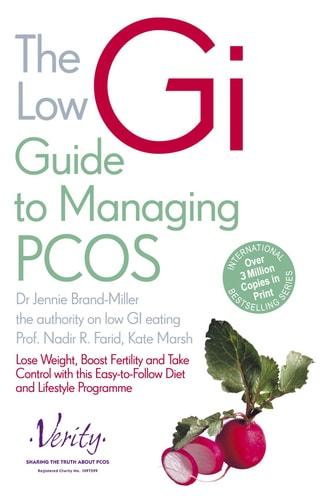
1. **Polycystic Ovary Syndrome (PCOS) — Diagnosis & Medical Understanding**
PCOS is a complex hormonal condition affecting roughly one in five women, with symptoms ranging from irregular periods and weight gain to acne, mood swings, and fertility difficulties. The book explains what PCOS is, how it presents, and how it is diagnosed, grounding readers in the medical reality of the condition.

The book's central clinical premise is: understanding the *why* behind PCOS — its hormonal and metabolic mechanisms — is the essential first step toward managing it.

Connect to books about: women's reproductive health, endocrinology, hormonal disorders, chronic illness management.

---

2. **Insulin Resistance & Blood Sugar Regulation**
At the heart of the book is the argument that insulin resistance is the root cause of PCOS, and that managing blood sugar levels through diet is the most effective lever for alleviating symptoms. The glycemic index (GI) is presented as a scientific framework for understanding how different foods affect glucose and insulin responses.

The book's metabolic argument is: stabilising insulin levels stabilises the condition.

Connect to books about: type 2 diabetes, metabolic syndrome, carbohydrate science, blood sugar management.

---

3. **The Glycemic Index (GI) as a Nutritional Tool**
The GI is not merely a diet fad here — it is framed as a scientifically validated system for classifying foods by their impact on blood sugar. The book provides GI value tables, explains the principles of low-GI eating, and shows how this approach can be used therapeutically, not just for weight loss.

The book's nutritional thesis is: the GI is a precision tool, not just a general guideline.

Connect to books about: nutritional science, carbohydrate metabolism, evidence-based dieting, food science.

---

4. **Weight Management & Obesity**
Weight gain is one of PCOS's most visible and distressing symptoms, and the book frames low-GI eating as a scientifically proven method for losing weight safely and sustainably. The relationship between body weight, hormones, and symptom severity is a recurring thread throughout.

The book implicitly argues: for women with PCOS, weight management is not vanity — it is medicine.

Connect to books about: obesity science, sustainable weight loss, body composition, diet and metabolism.

---

5. **Female Fertility & Reproductive Health**
Difficulty conceiving is one of the most emotionally significant impacts of PCOS, and the book directly addresses how dietary and lifestyle changes can improve fertility outcomes. Hormonal regulation through nutrition is positioned as a complement to or alternative to medical intervention.

The book's reproductive argument is: restoring metabolic balance can restore fertility.

Connect to books about: fertility, conception, reproductive endocrinology, prenatal nutrition, IVF alternatives.

---

6. **Lifestyle Medicine & Self-Management of Chronic Conditions**
Beyond diet, the book includes guidance on exercise, daily habits, and long-term adherence to a healthier lifestyle. It empowers readers to take an active role in managing a chronic condition rather than relying solely on pharmaceutical treatment.

The book's broader philosophy is: chronic conditions can be significantly managed through informed, sustained lifestyle choices.

Connect to books about: lifestyle medicine, patient empowerment, chronic disease self-management, preventive health.

---

7. **Evidence-Based Nutrition & Diet Science**
Written by a world authority on the glycemic index, a clinical endocrinologist, and a credentialled dietitian, the book is explicitly rooted in peer-reviewed research. It resists fad-diet thinking and instead positions its recommendations within established nutritional science.

The book's epistemological stance is: dietary advice should be traceable to scientific evidence, not popular trends.

Connect to books about: nutritional epidemiology, diet research methodology, food policy, science communication.

---

8. **Women's Health & Gendered Medicine**
PCOS is a condition that affects only women and is frequently underdiagnosed or misdiagnosed, raising broader questions about how women's health conditions are recognised and treated within medical systems. The book addresses the particular physical and emotional burden PCOS places on women's lives.

The book's implicit social dimension is: women's hormonal health has historically been under-researched and under-served.

Connect to books about: women's health advocacy, gender and medicine, hormonal health, body image, mental health and chronic illness.